admin
admin
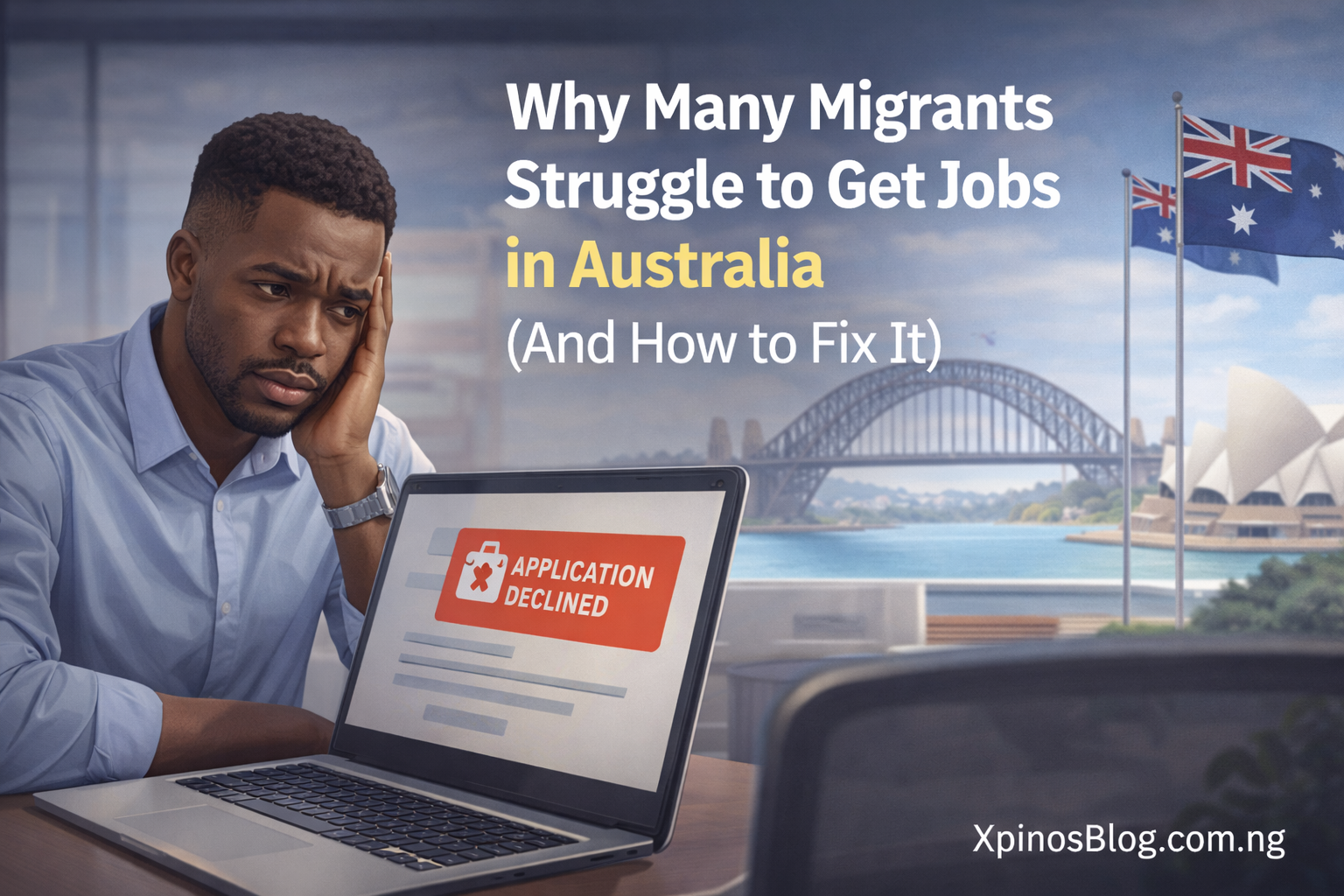
When James Adeshola Chukwudi landed in Australia, he thought his degree and experience would be enough.
He was wrong.
Weeks turned into months. Applications sent. Rejections received. Silence everywhere.
Until one day, someone told him something that changed everything:
“In Australia, it’s not just what you know… it’s who knows you.”
That’s when James stopped job hunting — and started network building.
💡 Why Networking Matters in Australia
Unlike in Nigeria where hustle alone can open doors, Australia runs heavily on:
- Referrals
- Recommendations
- Professional relationships
Many jobs are never even advertised publicly. They exist in what’s called the “hidden job market.”
👉 And the only way in?
Connections.
🚀 Step 1: Fix Your LinkedIn Profile
If you’re serious about your career, your LinkedIn is your online CV.
Make sure:
- Your profile photo is clear and professional
- Your headline is specific (not “Job Seeker”)
- Your experience is properly structured
💡 Example:
Instead of: “Engineer”
Say: “Civil Engineer | Road & Infrastructure Projects | Sydney-based”
🤝 Step 2: Start Talking to People (Yes, Strangers)
This is where most migrants struggle.
James was shy too. But he started small:
- Messaging people in his field
- Asking simple questions
- Requesting 10-minute chats
👉 Example message:
“Hi, I’m new to Australia and admire your career path. I’d love to learn from your experience.”
Most people won’t reply.
But the few who do? Game changers.
☕ Step 3: Attend Networking Events
Australia has tons of:
- Career meetups
- Industry events
- Migrant support programs
Look on:
- Eventbrite
- Meetup
- University alumni groups
💡 Pro tip:
Don’t go there to “beg for jobs” — go to build relationships.
🧑💼 Step 4: Leverage Your Community
Never underestimate Nigerians abroad.
Groups on:
- Telegram
…can connect you to:
- Job referrals
- Mentors
- Hidden opportunities
James got his first interview through a Nigerian contact.
🧠 Step 5: Add Value First
This is the secret most people miss.
Don’t just ask for help — offer something:
- Share useful information
- Recommend opportunities
- Help others connect
👉 Networking is not taking.
It’s exchanging value.
⏳ Step 6: Be Consistent (This Is Not Magic)
Networking is not a one-week strategy.
James:
- Sent messages weekly
- Attended events monthly
- Followed up consistently
After 3 months…
He got a referral.
After 5 months…
He got a job.
🔥 Final Truth
If you rely only on job applications in Australia, you’ll struggle.
But if you build a strong network?
Doors will open faster than you expect.
🧭Advice for Migrants
- Start before you need a job
- Be genuine, not desperate
- Focus on relationships, not transactions
Because in Australia…
Opportunities don’t just go to the most qualified.
They go to the most connected.